

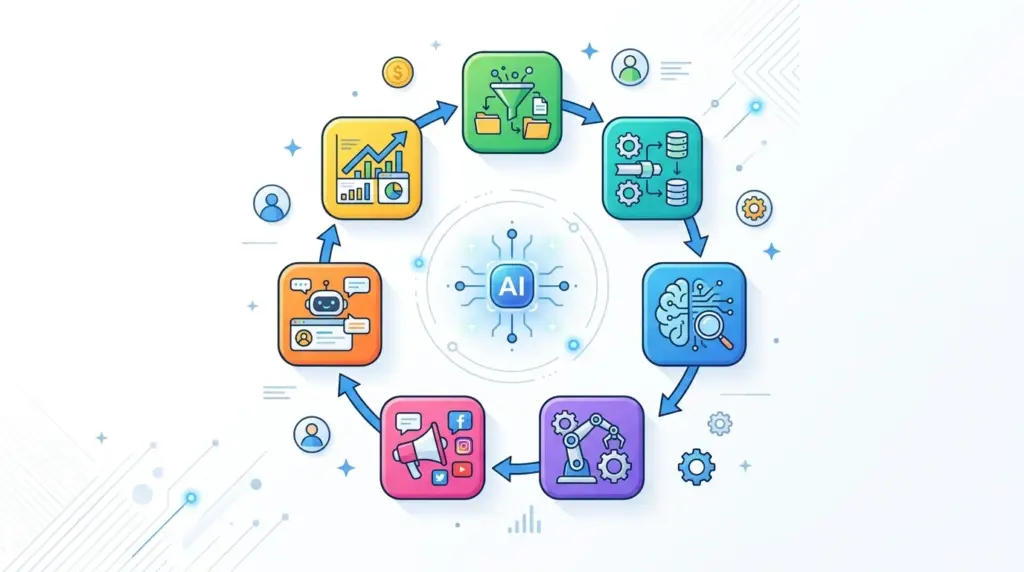
AI tools for small businesses have completely transformed the way entrepreneurs operate in 2026.
What used to cost a fortune and require a whole team can now be handled by just one person with the right tools. The playing field has never been more level.
This guide dives into the most impactful AI tools available today. It breaks down what they do, why they’re important, and how to use them effectively without breaking the bank.
Why Small Businesses Can No Longer Ignore AI
Running a small business often feels like juggling a dozen different tasks every day. You’re in charge of marketing, customer service, content creation, finances, and operations — and most of the time, you’re doing it all by yourself.
That’s where AI tools come in. They help eliminate the bottlenecks that can slow you down, taking care of those repetitive tasks so you can concentrate on strategy and growth.
According to a 2025 report from McKinsey, businesses that embrace AI tools have been able to save an impressive 30% of their weekly working hours. That’s valuable time you can redirect towards activities that actually generate revenue.
Companies that jump on the AI bandwagon now will find themselves with a significant edge over those who hesitate. This isn’t just a passing trend — it’s a fundamental change in the way we work.
The 7 Best AI Tools for Small Business in 2026
1. ChatGPT — For Writing and Brainstorming
ChatGPT is hands down the most adaptable AI assistant out there. It can whip up emails, blog posts, social media captions, product descriptions, and customer replies in just seconds.
You can tap into it for brainstorming marketing ideas, drafting contracts, summarizing documents, and even answering customer FAQs.
The free plan covers most small business needs, while the paid plan at $20 a month gives you faster performance and access to the latest models.
Best for: Content creation, customer communication, and idea generation.
2. Jasper — For Marketing Copy
Jasper is designed with marketing teams and business owners in mind. It crafts compelling ad copy, landing pages, email sequences, and product descriptions that really convert.
What sets Jasper apart from other generic AI tools is its training on marketing frameworks that genuinely boost sales. It gets the nuances of tone, knows how to target audiences, and employs effective persuasion techniques.
Small businesses in e-commerce, coaching, and service industries are seeing the greatest benefits from using Jasper. The starter plan kicks off at just $39 a month.
Best for: Paid ads, email marketing, and sales pages.
3. Canva AI — For Design Without a Designer
Canva has long been a favorite among small business owners, and in 2026, its AI features take it to a whole new level.
Now, you can create stunning images just by typing in text prompts. Plus, resizing your designs for various platforms is a breeze. You can even whip up complete branded content kits in just a few minutes!
With the Magic Design feature, a single image can transform into a full presentation. The free plan offers a lot of value, while the Pro plan, priced at $12.99 per month, gives you access to all the AI features.
Best for: Social media graphics, presentations, and branded content.
4. Notion AI — For Business Organisation
Notion AI transforms a straightforward note-taking app into a comprehensive business management tool. It effortlessly summarizes meeting notes, crafts project plans, and organizes your ideas on autopilot.
You can create your entire business knowledge hub right within Notion. Everything from standard operating procedures to client notes and marketing calendars can be found in one convenient location.
The AI add-on is priced at $10 per month in addition to any existing plan. It can save you countless hours of manual organization every week.
Best for: Project management, knowledge base, team communication.
5. Zapier — For Automating Repetitive Tasks
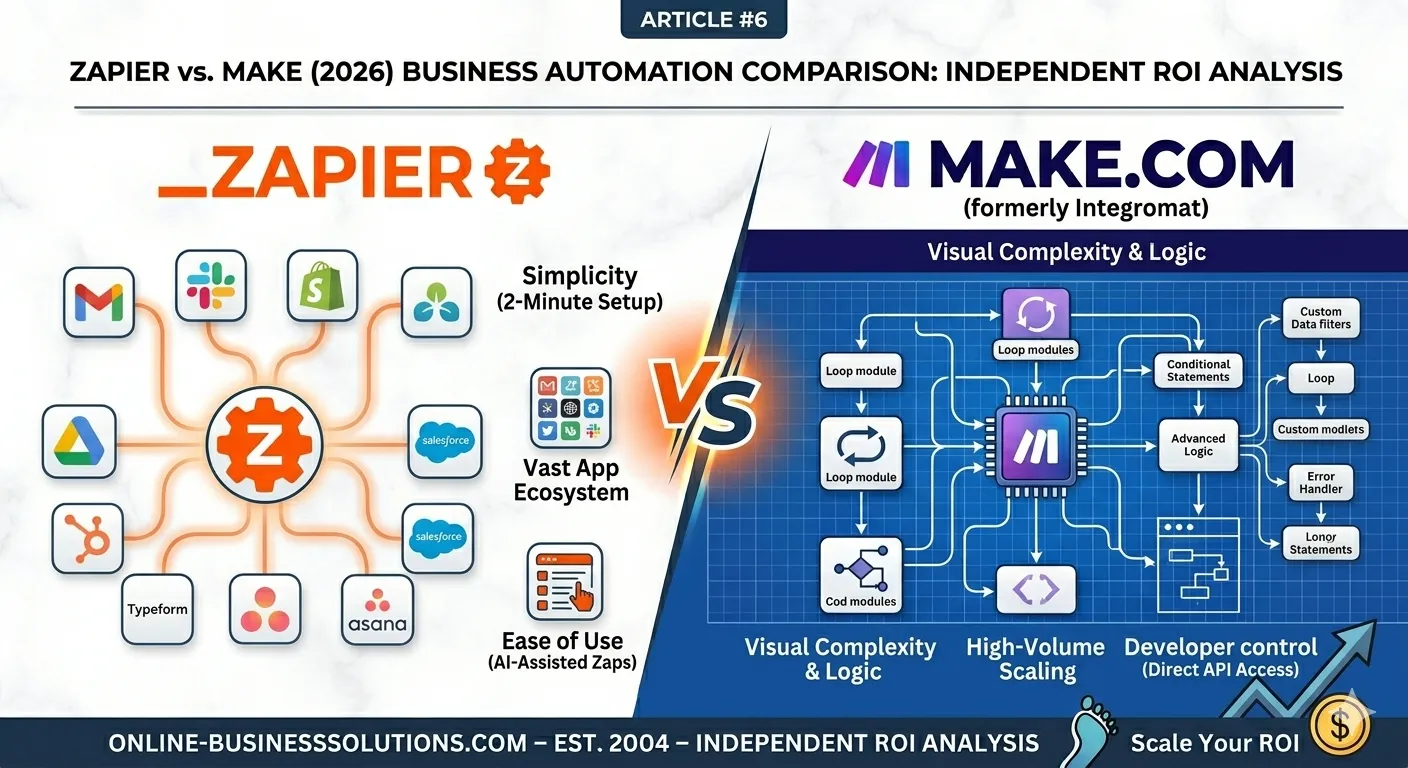
Zapier is your go-to tool for connecting apps and streamlining workflows without needing to write a single line of code.
Imagine this: when a new customer fills out your contact form, Zapier can instantly add them to your email list, send out a warm welcome message, and even create a task in your project management tool—all at once!
For small businesses, using Zapier can save an impressive average of 10 hours each week on tedious manual tasks. That’s valuable time you can redirect to what really matters in your work.
Best for: Workflow automation, app integration, and saving time.
6. Tidio — For Customer Service Automation
Losing a customer simply because no one was around to answer their question is a tough pill to swallow, and it’s a problem that can easily be avoided.
That’s where Tidio comes in. With its AI-powered chat, you can provide customer support around the clock, every day of the week. It’s designed to tackle common inquiries, qualify leads, and when things get tricky, it knows to pass the more complex issues on to you.
Small e-commerce businesses have seen up to a 40% boost in conversions after bringing Tidio on board. Plus, their free plan allows for up to 50 conversations each month, while paid plans kick off at just $29 monthly.
Best for: Customer support, lead capture, and e-commerce chat.
7. Surfer SEO — For Content That Ranks on Google
Creating great content is just the first step; it won’t matter much if no one sees it. That’s where Surfer SEO comes in. It analyzes the top-ranking pages for any keyword and gives you the inside scoop on how to beat them.
It recommends the best keywords, the perfect word count, how many headings to include, and what topics to tackle. Stick to its advice, and you’ll likely see your Google rankings soar.
For bloggers and businesses that rely on content, Surfer SEO pays for itself in no time. Plans kick off at just $89 a month.
Ideal for: Bloggers, content marketers, and businesses focused on SEO.
How to Choose the Right AI Tools for Your Business
Not every tool on this list will fit every business perfectly. Here’s a straightforward way to help you make the best choice.
First, pinpoint your biggest time drains. What tasks consume the most time but yield the least revenue? That’s where you should begin.
If you find yourself spending hours crafting content, consider starting with ChatGPT or Jasper. If slow customer responses are causing you to lose leads, Tidio might be your best bet. And if your workflows feel like a chaotic mess, give Zapier or Notion AI a try.
Remember, don’t rush to implement every tool all at once. Choose one, get comfortable with it, and then move on to the next. This method will help you achieve the best results without adding unnecessary stress to your schedule.
The Real Cost of NOT Using AI Tools
A lot of small business owners hold back because they worry about costs. But let’s flip the script — what’s the real cost of NOT using these tools?
Every hour you spend on tasks that AI could easily take care of is an hour you’re not dedicating to strategy, sales, or taking care of your customers. When you break it down, the numbers really do favor making the switch.
Imagine having just one AI tool that saves you 5 hours a week — that adds up to a whopping 260 extra hours in a year. What amazing things could you create with those 260 hours?
Businesses that shy away from AI tools are going to struggle to keep up with those that embrace them. The gap is widening every month, and it’s time to take notice.
Getting Started: Your 3-Step AI Action Plan
Step 1 — Audit your weekly tasks Take a moment to jot down everything you tackle in a typical week. Highlight the tasks that feel repetitive, tedious, or just plain time-consuming. These are your golden opportunities for AI assistance.
Step 2 — Pick your first tool Select just one tool from the list provided. Go ahead and sign up for the free plan. Commit to using it consistently for a week before you start evaluating the results.
Step 3 — Measure and expand Keep an eye on how much time you’re saving and what you’re able to do with that extra time. Once you notice the benefits, bringing in a second tool will feel like a no-brainer.
AI tools for small businesses are user-friendly. They’re built for folks who aren’t tech-savvy but want to boost their productivity.
Final Thoughts
The real question isn’t whether small businesses should embrace AI tools anymore; it’s about figuring out which ones to dive into first and how quickly to roll them out.
Start with the basics. Keep at it consistently. Then, watch your progress unfold. You might be amazed by the results!