
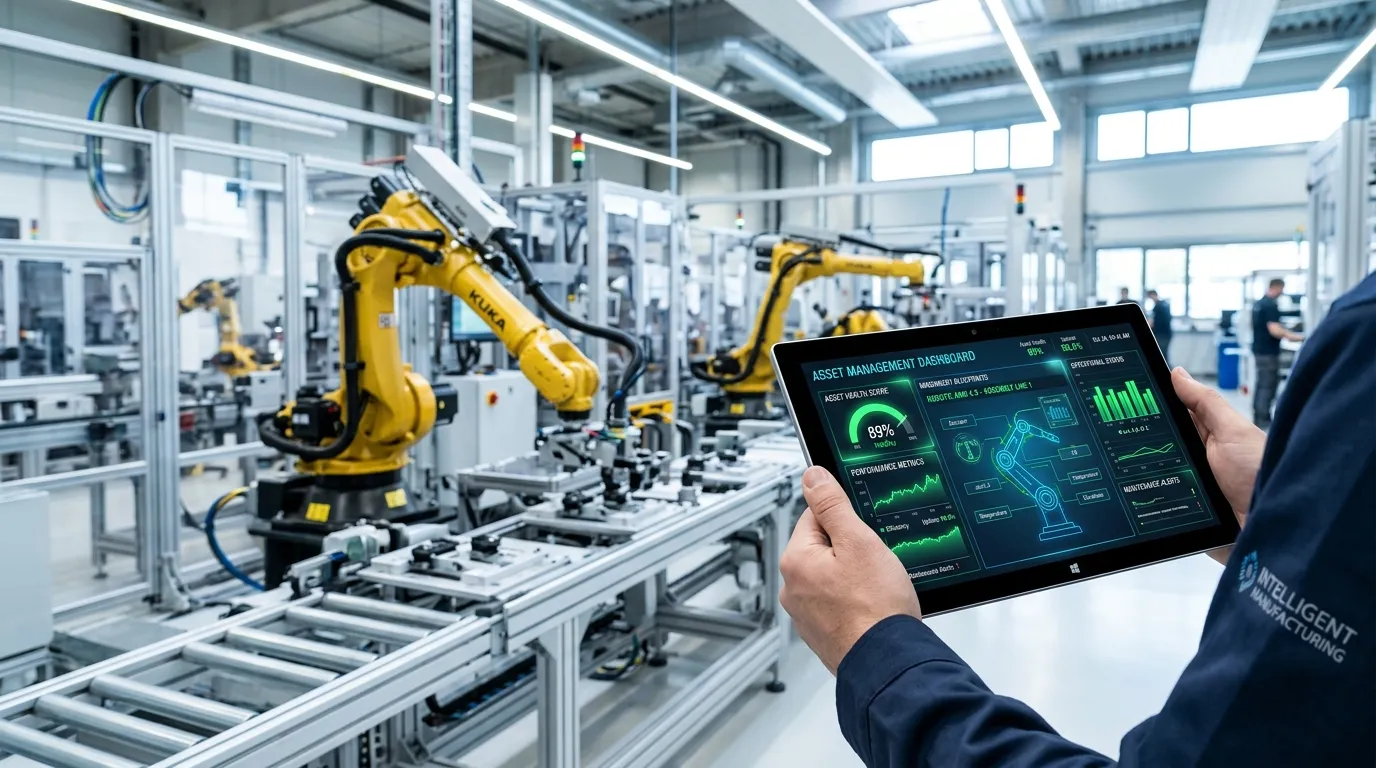
Industrial asset management is experiencing a significant technological shift. For many years, traditional Computerized Maintenance Management Systems (CMMS) functioned mainly as digital filing cabinets. They kept track of broken parts, logged maintenance expenses, and recorded past manual tasks. While these old-school databases were great for historical tracking, they fell short when it came to preventing mechanical failures.
As we move through 2026, the cost of operational downtime has made traditional reactive methods too costly. Modern businesses are quickly adopting advanced AI CMMS tools to ensure seamless operational continuity. These intelligent platforms actively analyze real-time data, eliminate information gaps, and predict equipment failures weeks in advance.
The Core Shifts: Traditional CMMS vs. Intelligent Platforms
The way artificial intelligence is reshaping how frontline technicians work with industrial machinery is pretty remarkable. Traditionally, preventive maintenance programs have stuck to strict calendar schedules. For instance, a technician might swap out a conveyor belt every ninety days, no matter what its actual condition is. This approach can lead to unnecessary maintenance expenses or, worse, overlook early signs of mechanical issues entirely.
On the flip side, today’s software leverages machine learning to create tailored maintenance schedules based on real-time conditions. It compares live data from factory sensors with historical repair records. If an unusual vibration is detected, the system quickly identifies the problem, alerts the supervisor, and arranges for a proactive diagnostic check.
Moreover, this smart software plays a crucial role in preserving the specialized mechanical knowledge that’s often lost when seasoned engineers retire. Their troubleshooting skills can vanish along with them. Thankfully, natural language processing models come to the rescue. These programs sift through decades of text logs, guiding junior technicians step-by-step through intricate industrial repairs.
The Best AI CMMS Platforms of 2026
1. MaintainX
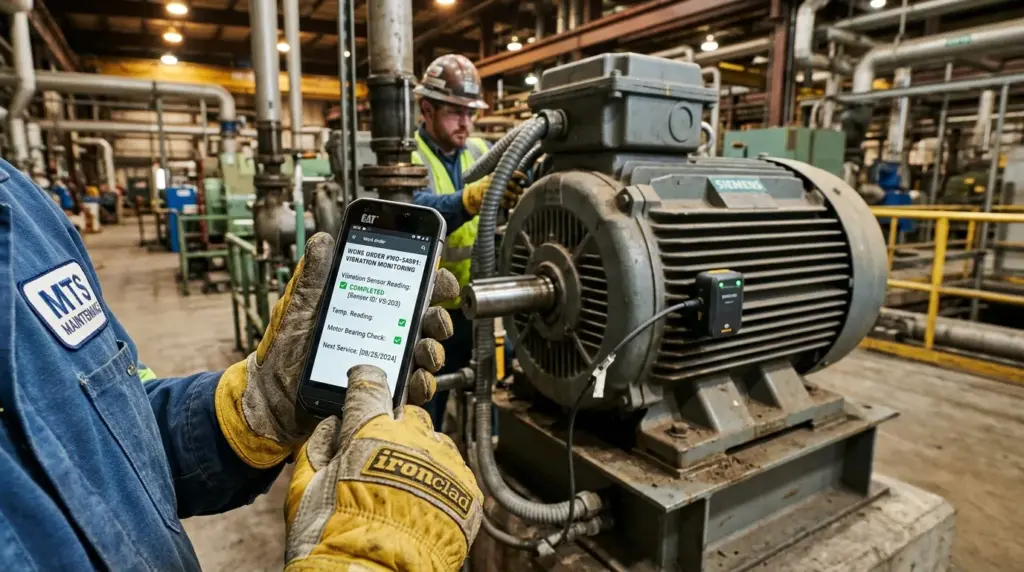
MaintainX has really carved out a strong spot in the asset management world by focusing on mobile functionality. The app is super user-friendly, making it a breeze to roll out across a distributed frontline workforce. Technicians can easily upload photos, chat in real time, and wrap up complex work orders right from their smartphones.
The platform seamlessly integrates predictive algorithm tools into everyday workflows. An anomaly detection engine keeps an eye on digital checklists as field workers submit them. If a temperature or pressure reading strays from historical norms, the system flags it. It then sets off automated safety measures to ensure everything stays compliant.
On top of that, the software automatically tracks asset parts and consumption trends. Its internal algorithm forecasts potential parts shortages based on seasonal patterns and scheduled inspections. This predictive feature helps avoid those stressful supply chain hiccups while also cutting down on unnecessary warehouse inventory costs.
2. Fiix by Rockwell Automation
Fiix combines cloud-based asset management software with extensive industrial hardware know-how. This solution is specifically designed for intricate manufacturing settings that involve large machinery networks. Corporate IT teams really appreciate this platform when it comes to standardizing data across various international locations.
The software’s standout feature is its advanced Asset Risk Predictor tool. This tool connects directly to factory programmable logic controllers and industrial internet of things sensors. By continuously analyzing raw vibration and thermal data, the software generates real-time asset health scores. This enables teams to address underlying issues while the machines are still operational.
That said, this sophisticated technical setup does mean a longer deployment period. Establishing complex asset hierarchies and data baselines usually takes several months. It’s an enterprise-level investment meant for environments that already have a robust network of sensors.
3. UpKeep
UpKeep takes raw operational data and turns it into financial insights that you can actually use. It’s a go-to choice for operational leaders who need to make a case for maintenance budgets to higher-ups. The platform shines when it comes to managing detailed procurement records, vendor service agreements, and parts inventory.
At the heart of the platform is its powerful engine, Nova AI, which streamlines those tedious administrative tasks. Nova figures out the exact costs of asset lifecycles and automatically suggests whether to repair or replace equipment. If a particular machine is constantly breaking down, the platform assesses the financial implications to see if buying new gear would be more cost-effective.
Plus, there’s a sleek requester portal designed for those who aren’t in maintenance. Building occupants or assembly line workers can simply scan a QR code to submit a repair request on the spot. The internal algorithm smartly directs the request to the nearest technician with the right skills.
ROI Evaluation Matrix
| Feature | MaintainX | Fiix (Rockwell) | UpKeep |
|---|---|---|---|
| Primary Focus | Mobile Workflows & Safety | Sensor Analytics & Hierarchy | Procurement & Asset ROI |
| AI Competency | Anomalies & Checklists | Failure Risk Prediction | Financial Cost Forecasting |
| Deployment Speed | Two to Four Weeks | Two to Three Months | Four to Six Weeks |
| Best User Demographics | Distributed Field Teams | Heavy Industrial Plants | Multi-site Facilities |
Choosing the Right Solution for Your Architecture
Choosing the right platform means aligning your organization’s needs with the right software strategy. If your facility isn’t equipped with digital hardware, steer clear of overly complex sensor-driven platforms. For those struggling with paper checklists and scattered team communication, a mobile-first solution like MaintainX is a perfect fit.
In heavy factories with countless connected machines, focusing on sensor integration is crucial. Platforms such as Fiix offer the computational power necessary to transform raw telemetry into seamless operational continuity. Striking a balance between software complexity and the technical skills of your frontline staff is key to ensuring high adoption rates and maintaining long-term asset reliability.