
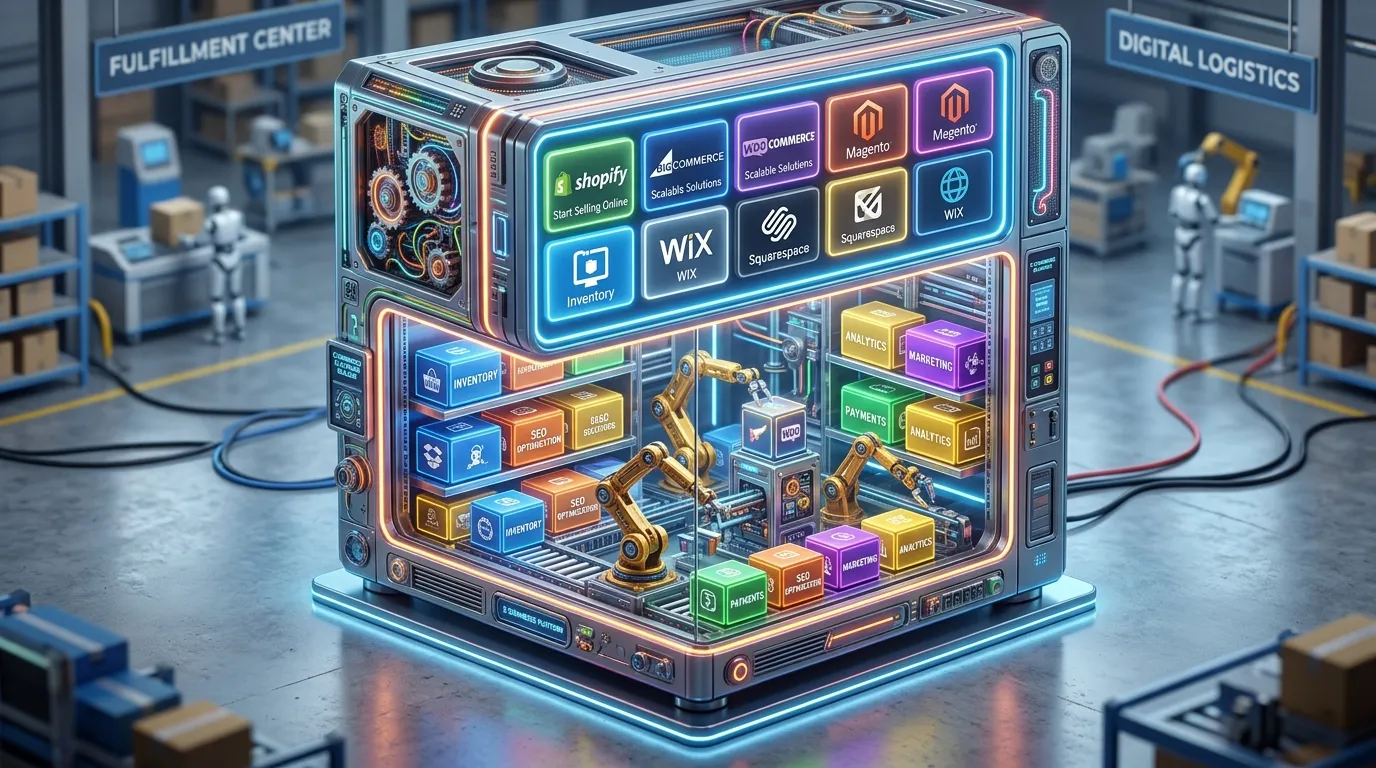
When it comes to the Best E-commerce Platforms of 2026, they play a crucial role in how swiftly your brand can respond to shifting consumer habits. Back in the day of digital retail, many small businesses had to stick to rigid templates that stifled their creativity and technical growth. But now, the software landscape has evolved, offering options like seamless all-in-one ecosystems such as Shopify Plus, as well as flexible “headless” architectures that separate your storefront from the backend. This means your brand can pick a foundation that aligns perfectly with its technical capabilities and long-term growth goals. So, choosing the right platform is key to keeping your business nimble in today’s fast-paced global market.
To build a brand that stands the test of time, you need a platform that truly shines in Answer Engine Optimization (AEO) and seamlessly integrates Agentic Commerce. It’s not enough to simply showcase products; your software should deliver structured, reliable data that AI shopping assistants can easily understand and recommend. Plus, we’re excited to share our latest insights on technical business growth over on our About Online Business Solutions Page. And let’s not forget, every native automation feature your platform offers helps to minimize the “operational drag” that can hold back a growing team. So, embracing a highly integrated or modular system is the key to unlocking remarkable conversion rates and sustainable revenue growth.
The Dominance of Ecosystem-First Platforms
When we took a closer look at the Best E-commerce Platforms for 2026, it’s clear that Shopify still sets the standard for user-friendliness and quick market entry. For example, Shopify Plus has stepped up its game, now offering enterprise-level scalability that can handle over 10,000 transactions per minute during those big product launches. Plus, with its extensive app marketplace boasting more than 8,000 integrations, you can easily enhance your store’s functionality without needing to write any custom code. If you’re looking for more tips on setting up your digital infrastructure, check out our Scalable Business Systems 2026 article. In short, having a wide-ranging ecosystem is crucial for running a professional and efficient modern digital business.
On the flip side, BigCommerce has become the go-to option for businesses that need robust built-in features without the extra transaction fees that often come with other platforms. So, if your strategy includes complex B2B sales or managing multiple storefronts from one account, BigCommerce should be at the top of your list. Its open architecture is tailored for “composable commerce,” which means you can easily swap out specific components of your site as your needs evolve. As we highlighted in our Digital Transformation for Small Business 2026 article, having that technical flexibility is key to establishing professional credibility. Therefore, it’s essential that your platform aligns with your unique vision for global growth.
The Rise of Headless and Modular Commerce
Let’s kick things off by talking about how technology is shaking up the high-end market with “headless” platforms like commercetools and Swell, which give you total creative freedom. For instance, a headless setup lets you craft a completely custom frontend (the “head”) using the latest frameworks, while the platform takes care of all the tricky commerce logic behind the scenes. This approach is perfect for brands aiming to deliver unique, high-performance experiences on mobile devices, IoT gadgets, or even in-car interfaces. Thanks to this, your store’s performance can soar to heights that traditional, monolithic platforms just can’t reach. As we discussed in our Edge Hosting for E-commerce 2026 article, speed is crucial for making a big impact.
Choosing Between Customization and Ease of Use
Now, when it comes to choosing between customization and ease of use, you need to find a balance that works for you. While WooCommerce offers incredible flexibility and complete data ownership, it does require your team to actively manage security and hosting. That’s why many growing brands are leaning towards managed SaaS solutions that take care of the infrastructure automatically, so they don’t have to worry about server uptime. Plus, modern platforms now come with AI assistants that can help you brainstorm post ideas, polish product descriptions, and even automate customer service responses. So, software accessibility has become a key factor in the Best E-commerce Platforms 2026 criteria for every founder.

The Strategic Role of Built-in Marketing Tools
In 2026, the top e-commerce platforms have evolved beyond just a basic commerce engine; they now come packed with advanced marketing and SEO tools right out of the box. Take BigCommerce, for instance—it offers features like advanced schema markup and customizable URLs, all without the need for any third-party plugins. This means your products are more likely to show up as direct answers in AI-driven search results, which can lead to “zero-click” traffic for your brand. Plus, as we highlighted in our Small Business Operational Readiness 2026 article, being data-driven is crucial for staying ahead of the competition. So, having a platform with built-in intelligence is key to safeguarding your brand’s revenue by keeping you visible to today’s AI-savvy shoppers.
Implementation and Long-Term Scalability
As you wrap up your selection process, it’s crucial to think about the “total cost of ownership” for the next three to five years. For instance, a platform might seem affordable with its low monthly fee, but when you factor in the costs of premium apps and transaction fees, it can quickly add up to more than an enterprise-grade solution. Plus, make sure to choose software that offers localized pricing and international tax compliance right from the start to make your global expansion smoother. So, remember, picking the right platform isn’t just a technical decision; it’s a key part of your brand’s identity. Check out the G2 E-commerce Software Grid to see how each platform measures up in terms of user satisfaction and market presence.
In summary, choosing from the Best E-commerce Platforms 2026 is a game-changing step for any entrepreneur eager to spearhead the next wave of retail. While deciding between an all-in-one ecosystem and a headless setup can be tricky, the potential for long-term growth is truly unmatched. So, don’t hesitate to start reviewing your current technical needs and look for a platform that can evolve with your vision. By doing this, you’re laying the groundwork for a resilient, self-sustaining brand that’s ready for the future of global commerce. Keep pushing ahead with your content creation to establish the most comprehensive and forward-thinking business resource online.