
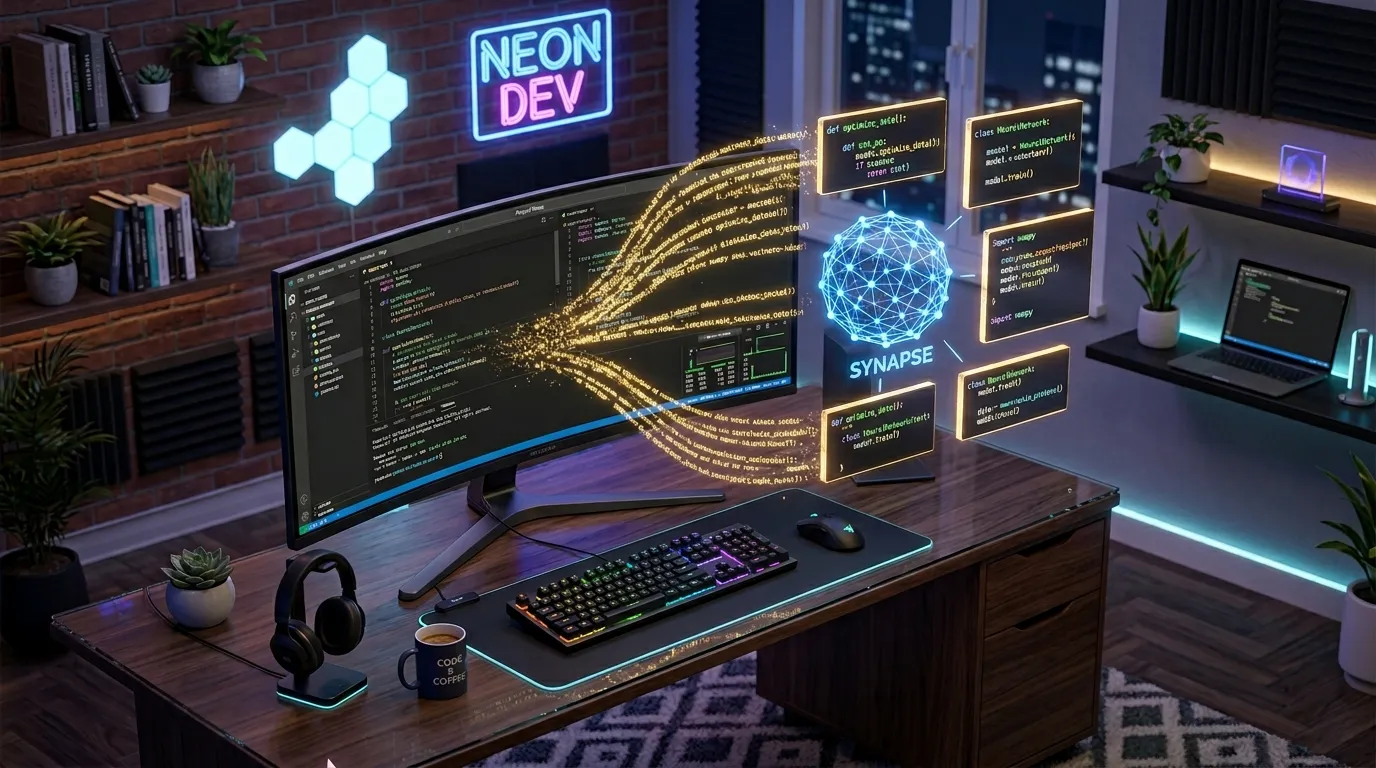
AI Code Assistants in 2026 mark a significant evolution from basic syntax autocompletion to fully autonomous software engineering. Gone are the days when programmers relied on simple code extensions to predict the next line of code. Nowadays, data shows that a whopping 90% of enterprise software engineers are using advanced generative AI assistants on a daily basis. These cutting-edge platforms empower developers to articulate their functional needs in natural language, while the AI takes care of the architecture, testing, and deployment. So, choosing the right AI code copilot is crucial for accelerating your production cycles this year.
To build a high-performance brand, you need an internal development pipeline that cuts down on manual debugging. It’s essential to equip your engineering teams with tools that come with built-in security scans and automatic legacy refactoring. We’ve compiled our latest insights on technical business growth on our About Online Business Solutions Page. Every hour your team saves by avoiding boilerplate code directly lowers your operational costs and speeds up your time-to-market. Therefore, embracing an ecosystem of intelligent coding tools is the key to achieving sustainable software innovation.
Top AI Platforms for Autonomous Engineering
Successful software growth kicks off when you align your engineering workflows with a well-integrated development environment. By 2026, tools like GitHub Copilot and OpenAI Codex are still leading the charge in the developer market, thanks to their ability to understand codebases in context. For example, these systems can scan your entire repository to ensure that any new functions you create fit seamlessly with your existing design patterns. If you’re looking for more tips on setting up your digital frameworks, check out our Scalable Business Systems 2026 Article. A smooth integration with your current editors is a key element of a thriving digital business ecosystem.
On the flip side, specialized teams often lean towards other tools like Amazon CodeWhisperer or models that are fine-tuned for languages such as Rust and Go. These alternatives shine when it comes to generating efficient, memory-safe code blocks, especially for data-heavy cloud applications. So, it’s crucial to focus on AI Code Assistants 2026 that cater to your specific infrastructure needs. As highlighted in our Digital Transformation for Small Business 2026 Article, selecting strong development tools can significantly enhance your professional credibility. Your platform should be equipped to manage complex testing pipelines to realize your vision for global success.
The Strategic Value of Automated Security and Code Review
Technology is transforming the way organizations perform real-time security checks throughout the software lifecycle. By 2026, leading AI code tools will function as autonomous review bots, scanning code for vulnerabilities even before a human takes a look. For instance, these assistants can quickly identify open-source library dependencies that have known exploits or licensing problems. This proactive approach helps avoid costly patches down the line and significantly reduces deployment delays. As we discussed in our Workflow Automation for Small Business 2026 article, precision in code generation can lead to a substantial impact.
The Role of Intelligent Testing Frameworks
Today’s coding assistants take away the tedious task of manually writing test suites. With integrated AI engines, they can analyze your functions and automatically create thorough unit and UI tests to uncover hidden edge cases. This means your QA teams can focus less on repetitive manual testing and more on tackling complex performance engineering challenges. This verification layer guarantees that your applications stay reliable, even during heavy user traffic. As a result, automated testing is a crucial aspect of the AI Code Assistants 2026 revolution for every founder.

Lowering Technical Barriers with Low-Code Integrations
The development platforms you choose are a strong reflection of your operational agility. For example, linking your AI code assistant to low-code enterprise solutions enables non-technical product managers to easily create functional mockups. This fosters a strong alignment between your business logic and technical execution. As highlighted in our Small Business Operational Readiness 2026 article, being software-ready is vital for keeping your competitive edge. By selecting smart tools, you ensure that your technological foundations remain adaptable and highly scalable.
Monitoring Developer Efficiency and Compute ROI
As you start using intelligent coding platforms, it’s essential to keep an eye on your code acceptance rates and the health of your active repositories every day. For instance, tracking how much AI-generated code your senior developers accept without any tweaks can give you a clear picture of how useful your tools really are. Plus, fine-tuning your internal AI prompting guidelines can help you manage your token usage in a cost-effective way. Responsible engineering management is a key part of your professional identity. Make sure to check out the GitHub Developer Blog to stay updated on the latest context-window enhancements and multi-agent systems that are making waves in the market.
In summary, embracing AI Code Assistants in 2026 marks a significant turning point for any forward-thinking digital business. While transitioning to intent-driven development may require a shift in your workflow, the benefits in speed and code quality are hard to ignore. So, take the time to assess your current development bottlenecks and start experimenting with advanced AI copilots today. By doing this, you’ll be building a strong, self-sustaining brand that’s ready for the future of global commerce. Keep pushing ahead with your content to create the most comprehensive business resource on the web.