
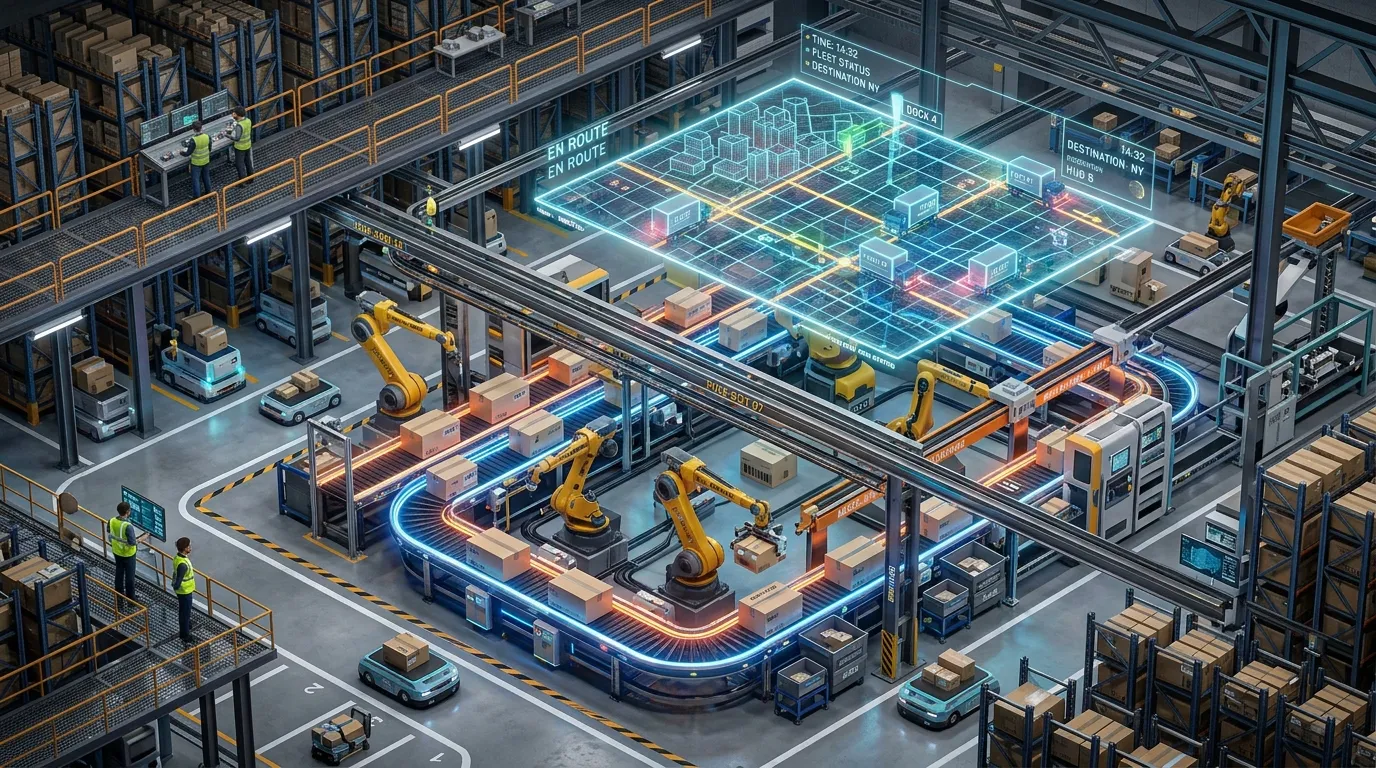
Omnichannel Fulfillment 2026 is the crucial backbone that distinguishes thriving digital storefronts from those that are struggling. In the past, retailers viewed online warehouses and physical store inventories as completely separate. However, with customer expectations on the rise and profit margins tightening, this disconnected approach has become quite costly. Today’s modern brands are leveraging unified orchestration layers to synchronize their stock data across all channels in real time. As a result, creating an integrated and responsive supply chain is the most effective way to reduce canceled orders and safeguard your revenue this year.
To build a high-performance brand, you need a fulfillment backend that focuses on execution rather than just data volume. It’s time to ditch batch updates and switch to API-driven, real-time tracking systems. We’ve shared our latest insights on technical business growth on our About Online Business Solutions Page. Every inventory mistake can lead to lost customer trust and hefty reverse logistics costs. Therefore, implementing a centralized order management system is the key to unlocking sustainable e-commerce growth.
The Strategic Power of Regional and Local Sourcing
To achieve successful growth in e-commerce, it’s essential to position your inventory closer to your customers. By 2026, top brands are utilizing regional fulfillment hubs to significantly cut down on transit times and shipping expenses.
- Real-Time Synchronicity:Make sure your ERP and warehouse software are tightly integrated to prevent overselling on fast-paced marketplaces.
- Dynamic Routing: Automated systems can instantly direct orders to the nearest store or warehouse.
- Predictive Demand Allocation: AI tools can predict regional trends, helping you optimize stock placement ahead of busy shopping seasons.
For more insights on setting up your digital infrastructure, check out our Scalable Business Systems 2026 Article. Keeping your inventory visible is a key element of a robust digital business ecosystem.
On the flip side, even a minor sync delay can lead to significant stock discrepancies across platforms like Instagram and TikTok Shop. That’s why it’s crucial to focus on Omnichannel Fulfillment 2026 to provide a consistent shopping experience, no matter where your customers find you. As highlighted in our Digital Transformation for Small Business 2026 Article, operational transparency can greatly enhance your professional credibility. Your supply chain logic needs to be impeccable to support your aspirations for global success.
Turning Reverse Logistics into a Retention Asset
Technology is shaking things up for innovative founders as they tackle the modern returns crisis. By 2026, the approach to returns has transformed from a burdensome operational cost into a strategic tool for keeping customers happy. Take self-service portals, for instance—they let buyers swap items on the spot, helping to maintain the value of the original sale. Plus, by analyzing return trends on a larger scale, your team can spot potential sizing or quality problems early on. As we discussed in our Workflow Automation for Small Business 2026 article, having precise backend processes can really amplify your impact.
The Rise of B2B E-commerce Expectations
Today’s B2B buyers expect the same seamless fulfillment experiences that regular consumers enjoy. This means B2B portals need to provide real-time freight tracking, clear volume pricing, and automated reorder notifications. To meet these expectations, you’ll need a strong integration between your e-commerce platform and your supplier’s logistics system. As a result, building a solid B2B infrastructure is crucial for every founder in the Omnichannel Fulfillment 2026 movement.
Frictionless Formats and Invisible Payments
Your dedication to smooth fulfillment acts as a strong trust signal in a competitive landscape. For example, combining a straightforward mobile checkout with automated delivery updates keeps customers feeling secure and in the loop. Reducing friction in fulfillment helps your brand cultivate a loyal community of repeat buyers. As highlighted in our Small Business Operational Readiness 2026 article, being operationally ready is key to staying ahead of the competition. The choices you make in execution safeguard your profit margins and ensure your growth is ethical.
Monitoring Supply Chain Efficiency and ROI
As you expand your delivery network, it’s crucial to keep a close eye on your order accuracy rates and cost-per-shipment metrics every single day. For instance, monitoring the time it takes from when a user clicks “buy” to when a package actually leaves the warehouse can help you identify key operational bottlenecks. Plus, tweaking your warehouse layout based on predictive data can really boost your packing teams’ efficiency. Being a responsible manager is a fundamental part of your professional identity. Check out the Salsify 2026 Consumer Research Report to dive deeper into the evolving delivery expectations across various demographics.
In summary, mastering Omnichannel Fulfillment 2026 is a game-changing milestone for any modern entrepreneur. While linking up different software platforms may take some disciplined effort upfront, the payoff in terms of efficiency and profit is huge. So, start by auditing your current warehouse sync speeds and looking into regional distribution models today. This way, you’ll be building a resilient, self-sustaining brand that’s ready for the future of global commerce. Keep pushing forward with your content to create the most comprehensive business resource on the web.