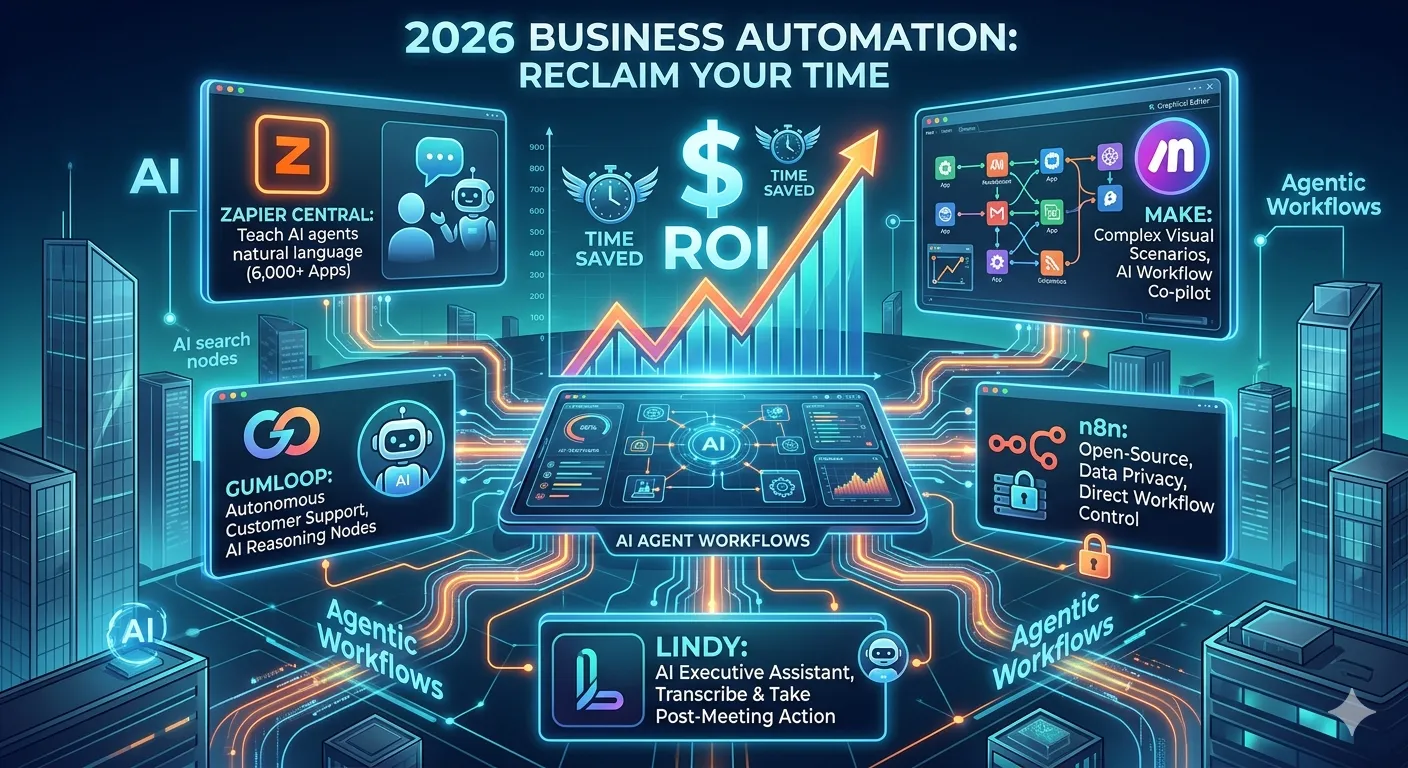

Intelligent Workflow Automation is set to undergo a major shift in 2026, moving away from simple rule-based task execution to more autonomous decision-making. In the past, automation mainly dealt with repetitive, manual data entry tasks. Fast forward to today, and the global market for business process automation is expected to soar to $19.4 billion, with a robust 13.2% CAGR. Modern systems are now leveraging integrated AI to “express intent” instead of merely executing static code. This means that adopting a decision-first automation strategy is the smartest way to scale your business operations this year.
Creating a high-performance brand demands an infrastructure that weaves together isolated automation into cohesive, reliable systems. Rather than just addressing individual pain points, you should aim to redesign entire end-to-end processes. We’ve compiled our latest insights on technical business growth on our About Online Business Solutions Page. Each intelligent workflow you implement minimizes the risk of human error and allows your team to focus on more valuable tasks. So, building strong, AI-supported foundations is truly the key to unlocking future innovation.
The Evolution of Agentic Governance
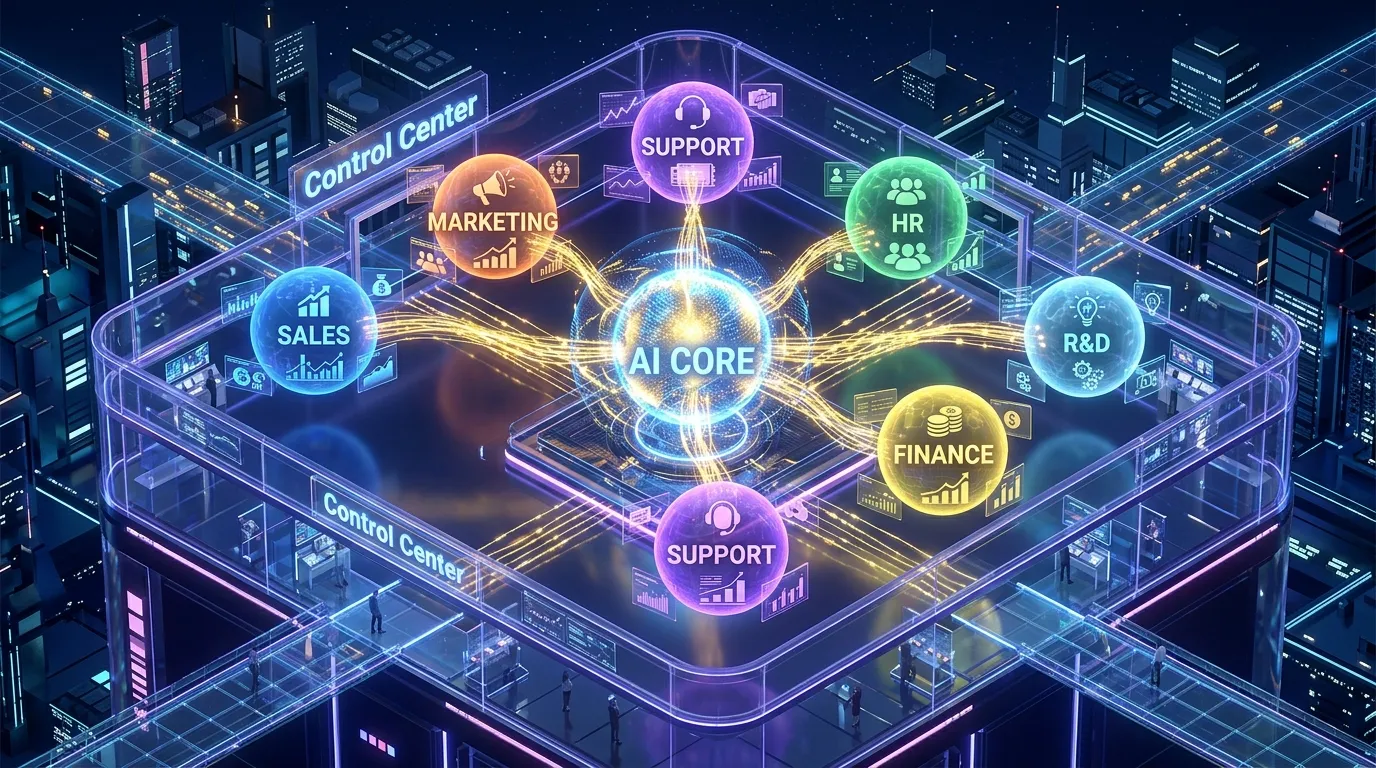
Successful automation growth starts with keeping a close eye on visibility and control as AI agents spread throughout your organization. IT teams are now tasked with the challenge of managing individual agents that link through intricate, cross-system workflows. Thankfully, platforms like Microsoft Copilot Studio provide improved admin visibility into the security and performance of these agents. This level of transparency allows you to quickly spot any authentication gaps and understand the impact of policies. For more insights on how to prepare your digital infrastructure, check out our Scalable Business Systems 2026 Article. Remember, strong governance is a key pillar of a thriving digital business ecosystem.
On a different note, automating a flawed process will only speed up its failure. Experts warn that by 2027, around 40% of agentic projects could fail due to inadequate operational redesign. That’s why it’s crucial to focus on Intelligent Workflow Automation 2026 by reviewing your core business logic before rolling out any bots. As highlighted in our Digital Transformation for Small Business 2026 Article, strategic planning is essential for establishing professional authority. Your workflows need to be predictable and well-governed to align with your vision for global success.
Orchestrating Human-Machine Collaboration
Technology is changing the game when it comes to how employees work alongside their digital counterparts. By 2026, the spotlight is on building hybrid teams where humans and machines play off each other’s strengths. Take AI agents, for instance—they can automatically summarize meetings and jot down action items, freeing your team to dive into creative strategies. This teamwork speeds up decision-making and really ramps up productivity. As we delve into in our Workflow Automation for Small Business 2026 article, precision is key to making a big impact.
The Role of Low-Code and No-Code Platforms
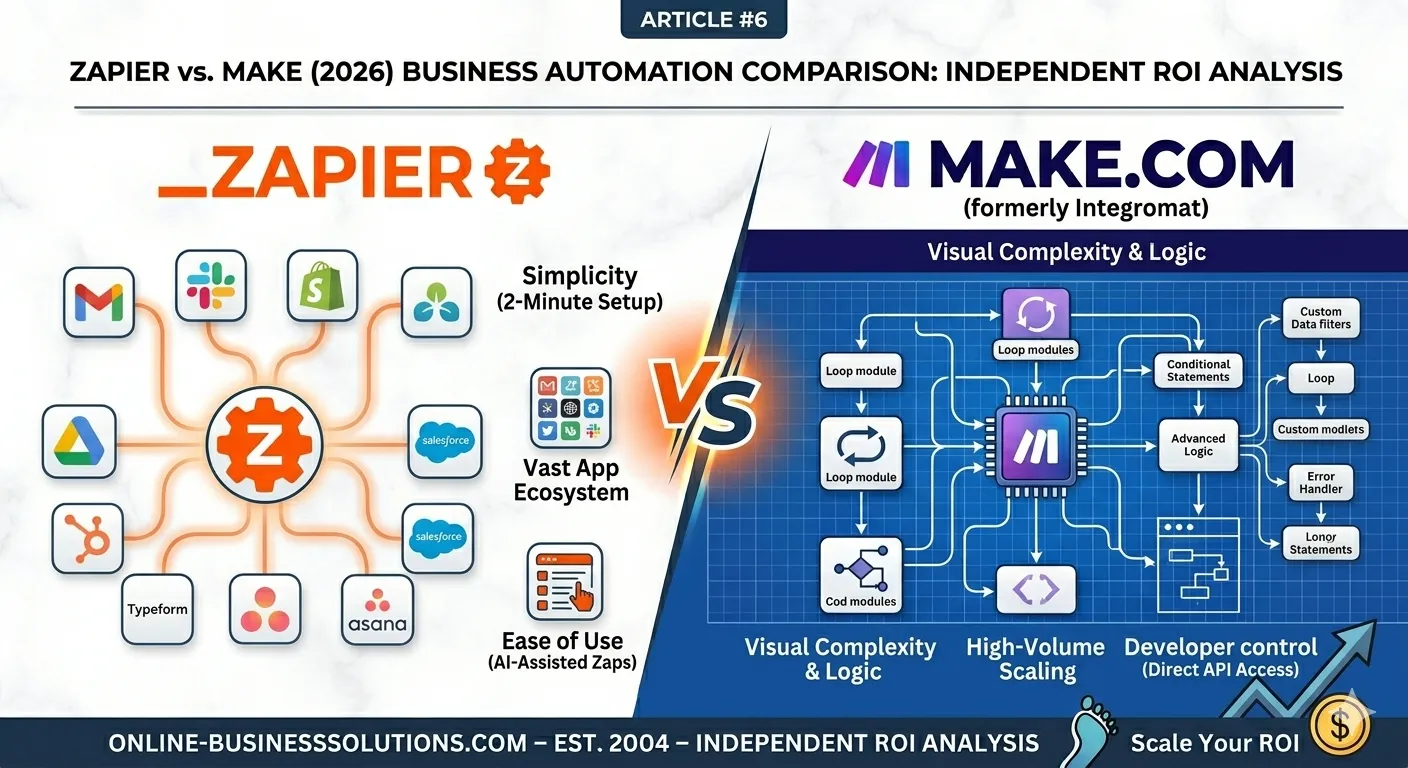
Today’s automation tools are opening doors for non-technical founders. Platforms like Zapier and Make let you link thousands of apps using simple, everyday language. This means you can whip up a complex “thank you” email sequence or update your CRM in under five minutes. These tools make it easier for small businesses to hold their own against the big players. As a result, democratized automation is a crucial part of the Intelligent Workflow Automation 2026 movement for every founder.

Leveraging Open-Source for Developer Control
The automation platform you choose speaks volumes about your technical savvy. For example, opting for an open-source tool like n8n gives your developers complete control over webhooks and advanced API logic. This way, you steer clear of vendor lock-in and keep full control over your binary data and self-hosted environments. As we highlight in our Small Business Operational Readiness 2026 article, being technically self-reliant is vital for staying ahead. Your choice of platform ensures that your operations remain adaptable and budget-friendly.
Addressing the AI Infrastructure Reckoning
As you dive into implementing smart workflows, it’s crucial to keep an eye on your computing costs and how efficiently your infrastructure is running. For example, even though token prices have dropped significantly, a surge in usage can still lead to some surprisingly high monthly bills. Plus, many organizations are now embracing Hybrid Cloud models to strike a balance between the flexibility of the cloud and the stability of on-premises solutions. Being responsible with your cost management is an essential part of your professional persona. Check out the Microsoft Copilot Studio Blog to get the scoop on the latest features in governance and workflow!
To wrap things up, embracing Intelligent Workflow Automation in 2026 is a game-changing step for any entrepreneur. While transitioning to intent-driven systems does require a shift in both culture and technology, the benefits in terms of efficiency and resilience are enormous. So, take the time to review your current processes and start looking into agentic platforms today. By doing this, you’re setting up a strong, self-sustaining brand that’s ready to thrive in the future of global commerce. Keep pushing ahead with your content to create the most innovative business resource online!