
Cloud Automation for Small Business 2026 is the most significant technological shift for founders looking to maximize their daily output. Previously, complex server management and data syncing were tasks reserved only for large corporations with massive IT budgets. However, modern cloud platforms now provide intuitive tools that allow solo entrepreneurs to automate their entire digital infrastructure easily. Consequently, you can now manage global operations with a level of technical sophistication that was once completely unreachable. Therefore, embracing cloud-based triggers is the smartest way to ensure your business remains agile and highly competitive.
Furthermore, building a scalable brand requires a foundation that can grow alongside your increasing traffic and sales volume. Instead of manually moving data between different applications, you should implement cloud-based systems that communicate with each other instantly. In addition to this, we discuss our own commitment to these smart technical workflows on our About Online Business Solutions Page. Moreover, every automated cloud process you create frees up valuable mental energy for your most creative and strategic tasks. Thus, shifting your workload to the cloud is a direct investment in your future sanity and success.
Centralizing Operations Through Cloud Integration
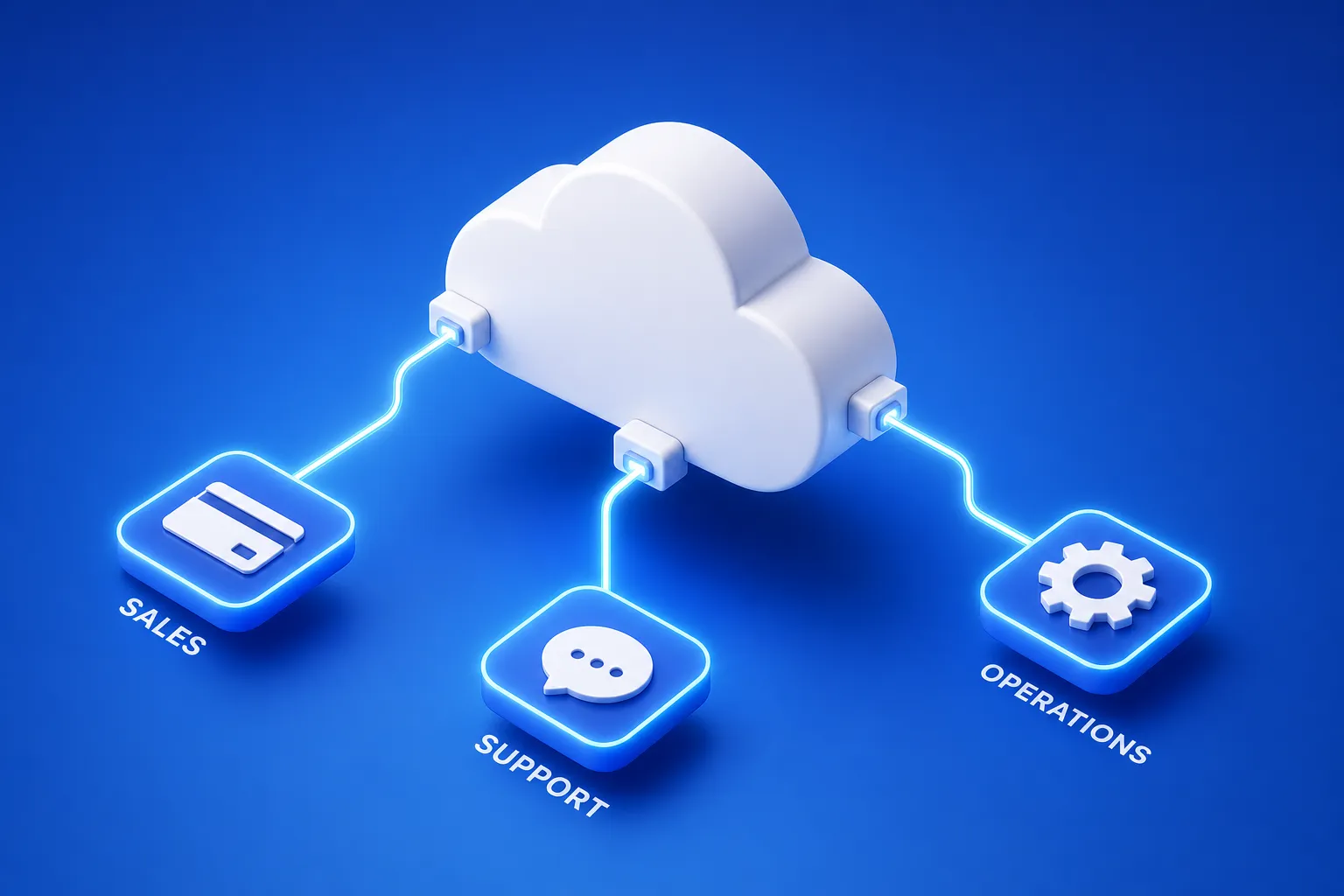
In the first place, centralizing your business data in the cloud allows for much faster and more accurate decision-making. For instance, an automated cloud system can instantly sync your sales data with your marketing and inventory management tools. Subsequently, you always have a real-time view of your company’s health without having to check multiple different platforms manually. Additionally, this centralized approach reduces the risk of data silos that often lead to costly communication errors or missed opportunities. Thus, cloud connectivity is the vital “nervous system” of a modern and successful digital enterprise.
On the other hand, relying on disconnected desktop applications is a slow and risky way to run a global business. Therefore, transitioning to Cloud Automation for Small Business 2026 helps you protect your data from local hardware failures and loss. Similarly, many cloud providers now offer built-in security and backup features that work automatically in the background every day. Likewise, as discussed in our Automated Logistics for E-commerce 2026 Article, efficiency is the foundation of every professional scaling journey. Because of this, your technical stack should be designed for maximum accessibility and long-term operational security.
Boosting Productivity with Serverless Workflows
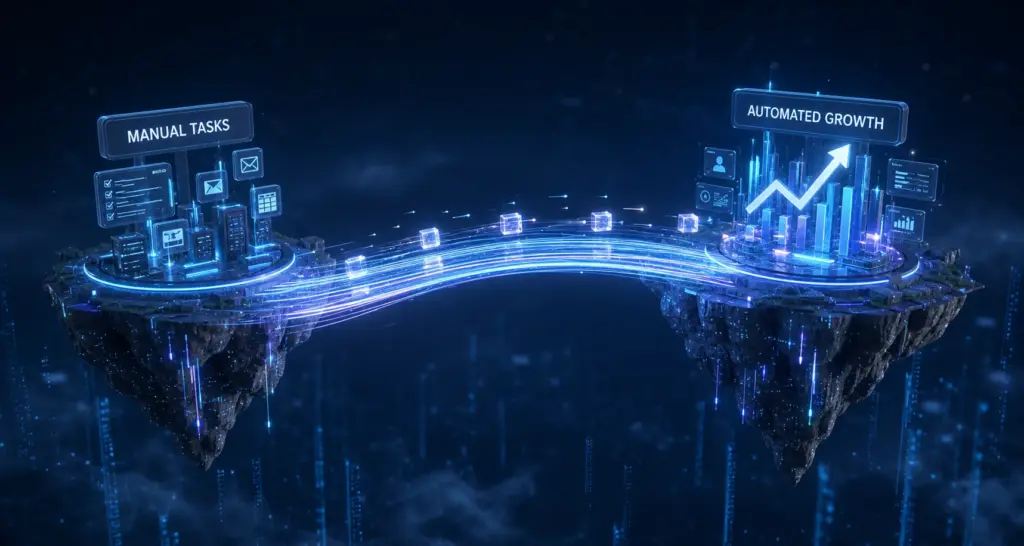
To begin with, serverless technology allows you to run complex business scripts and applications without managing any physical or virtual servers. For example, you can set up a cloud trigger that automatically generates a customized PDF invoice whenever a sale occurs. Meanwhile, another cloud process could instantly translate your newest blog post into multiple languages for your global US-based audience. Because of this, you can offer a high-end customer experience that feels like it was built by a much larger team. As explored in our Digital Skills for Entrepreneurs 2026 Article, technical agility is a major competitive advantage.
The Power of Real-Time Data Syncing
Besides simple tasks, cloud automation allows for sophisticated real-time data syncing across all of your different sales channels and platforms. Specifically, if a customer updates their contact information in your CRM, that change should instantly reflect in your email marketing software. As a result, your team always has access to the most current and accurate data when interacting with your buyers. Furthermore, this seamless flow of information prevents the frustration of sending the wrong message to the wrong person at the wrong time. Consequently, cloud syncing is the secret to maintaining a professional and reliable brand image.
Scaling Customer Support with Cloud AI
In addition to backend tasks, cloud automation is also revolutionizing how small businesses handle their daily customer support and inquiries. For example, AI-powered cloud bots can handle basic questions about shipping or product features while you sleep in any timezone. Consequently, this provides your customers with instant answers while significantly reducing the workload on your human support staff or yourself. Moreover, as mentioned in our Best CRM for Small Business 2026 Article, better tools lead to much stronger and deeper human connections. Thus, the cloud serves to enhance your brand’s reputation for being helpful and responsive.
Choosing the Right Cloud Ecosystem for Growth
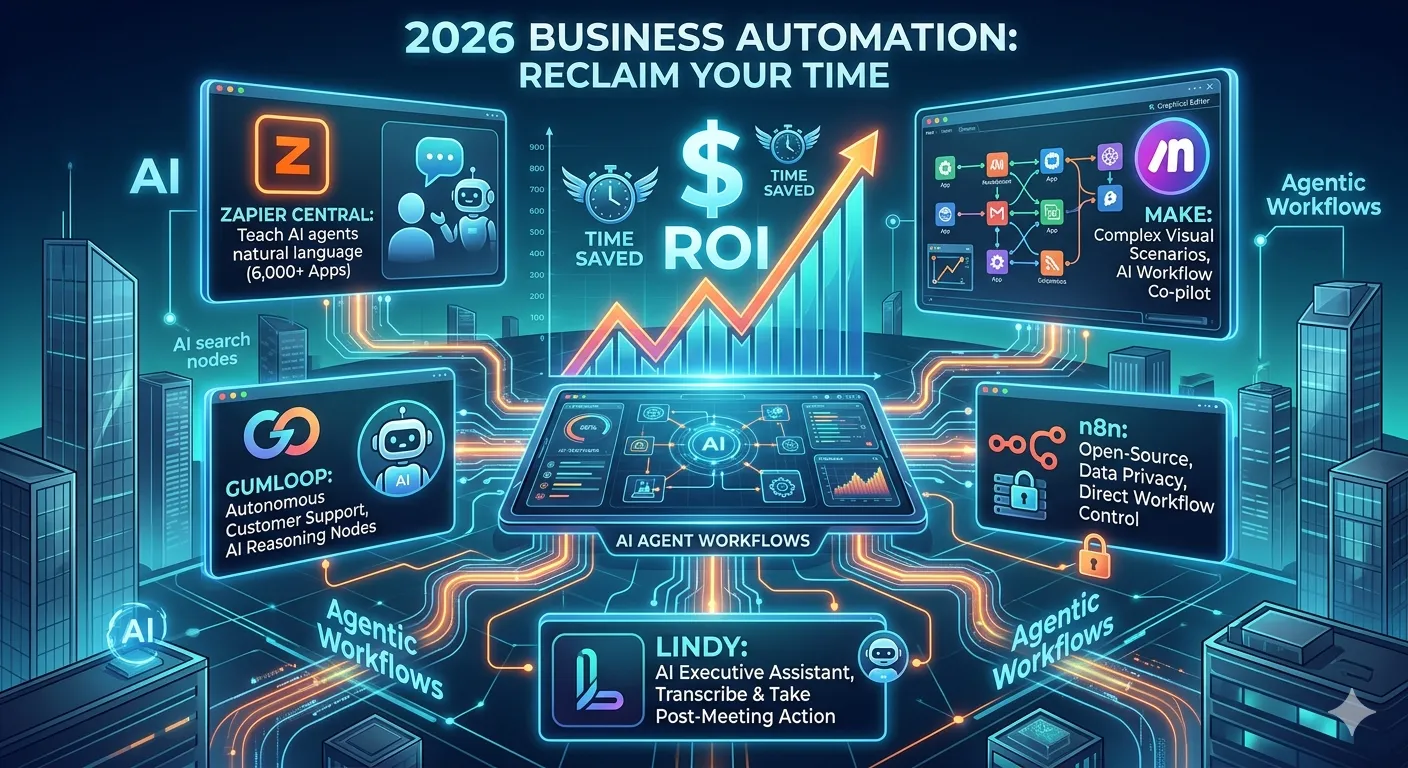
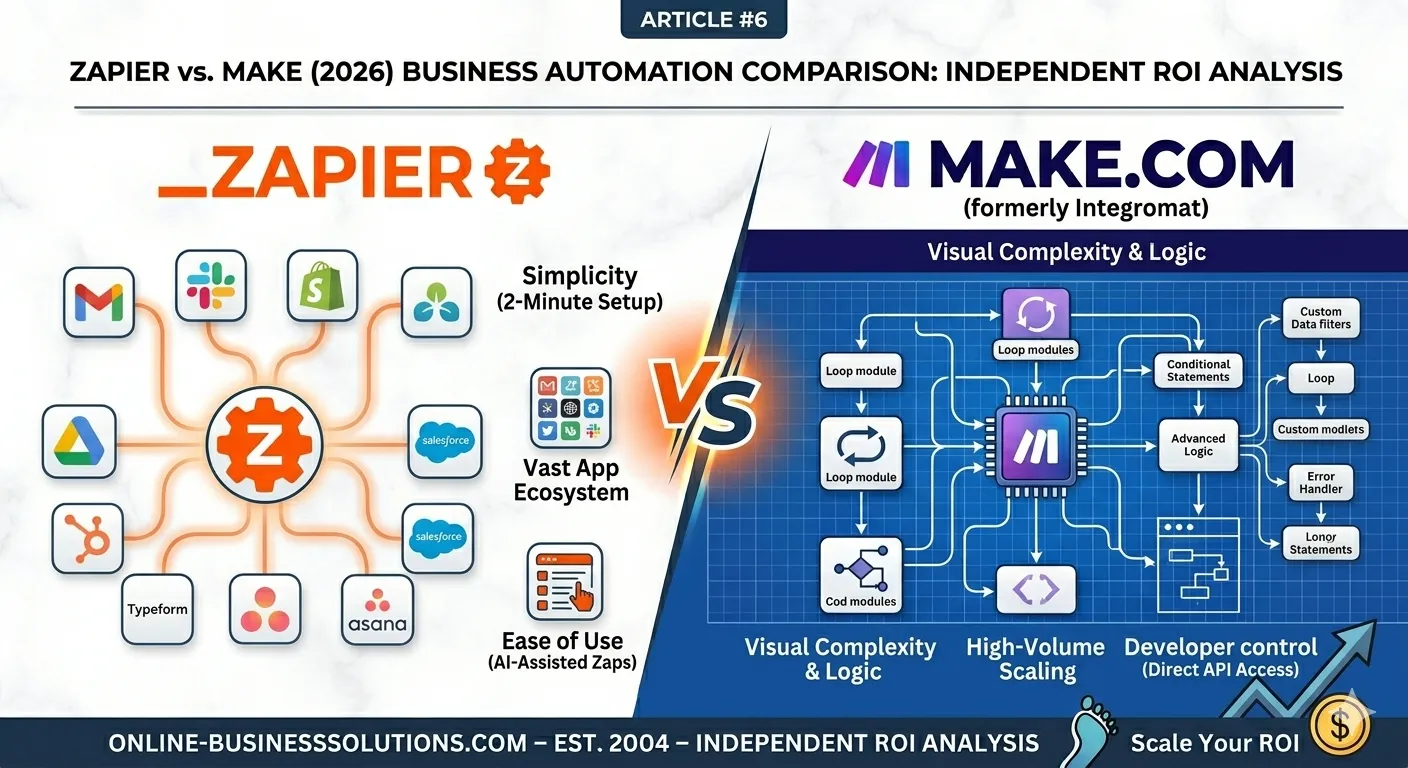
Finally, selecting the best cloud environment depends on your specific business goals and the level of technical control you require. For example, platforms like Zapier or Make allow you to connect thousands of different apps without writing a single line of code. Additionally, many modern SaaS tools now offer native cloud automation features that are built directly into their core user interface. In light of this, you should prioritize tools that offer the most flexibility and the easiest integration with your existing stack. Use the Cloud Native Computing Foundation to learn more about the standards and future of cloud technology.
In conclusion, the rise of Cloud Automation for Small Business 2026 is an incredible opportunity for founders to build more with less. Although the initial setup may require some focused learning, the long-term time savings are truly massive for any busy entrepreneur. Therefore, do not hesitate to start moving your repetitive tasks into the cloud and start reclaiming your most valuable asset. By doing so, you are ensuring that your brand is ready for a future of unlimited growth and digital innovation. Keep pushing forward with your 70-article sprint to create a truly professional and high-impact business resource.